
💡 5 Permanent Shifts Redefining Tech Talent Acquisition in 2025 🚀

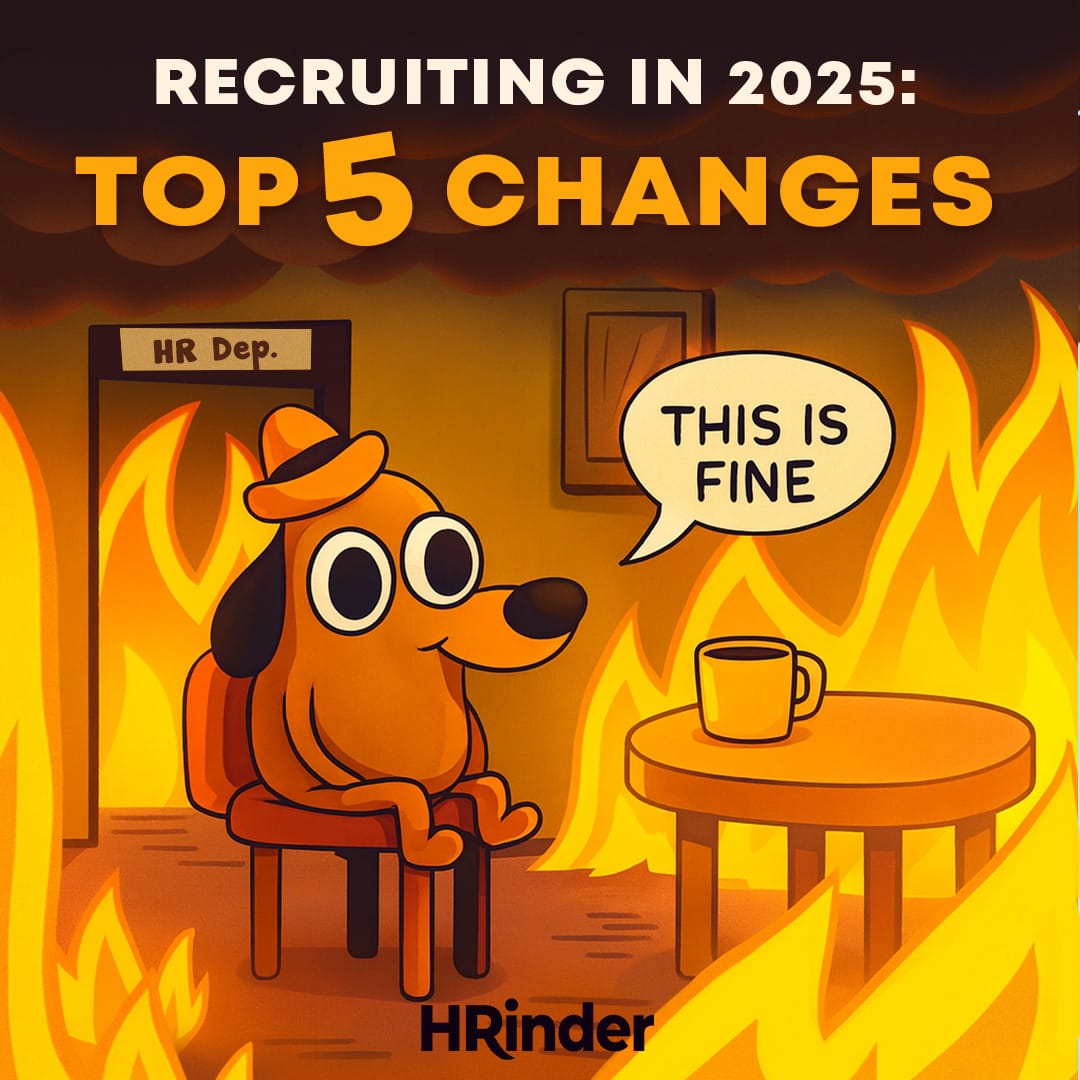
The old rules of hiring are gone. In the fast-paced world of IT and Tech, the evolution of Talent Acquisition isn't a temporary trend - it's a fundamental, permanent shift.
Here are the 5 core changes that are now non-negotiable fixtures in the modern hiring landscape:
1. Skills-First Hiring: The New Credential 💻
The focus has definitively moved from traditional degrees and qualifications to verifiable critical skills, demonstrable competencies, and practical certifications. This progressive approach significantly expands talent pools, opening doors to self-taught developers, bootcamp grads, and experienced professionals without a typical four-year degree.
2. Hybrid/Remote Work as the Standard 🌎
Workplace flexibility is a core expectation, not a mere perk, especially among top tech talent. This shift is permanently redefining strategies for sourcing, management, and global compensation, enabling companies to tap into a truly global talent pool.
3. The Rise of Integrated AI & Automation 🤖
AI is deeply embedded across the entire recruitment workflow. From intelligent job description drafting and precision candidate sourcing to automated screening and interview scheduling, these tools drive speed, efficiency, and data-driven decision-making.
4. Heightened Candidate Experience ✨
Today's job seekers are discerning consumers, heavily influenced by social media and review platforms. A transparent, and highly personalized candidate journey is no longer optional - it is critical for winning talent and safeguarding your brand reputation.
5. Employer Brand Authenticity 💯
A compelling and authentic employee value proposition, coupled with a visible, genuine company culture, is a crucial competitive differentiator and asset. If your internal reality doesn't match your external marketing, top talent will know.
💬 Your Turn! What other permanent shifts are you seeing in your organization's TA strategy? How is your team adapting to this new landscape? Share your insights below! 👇