
Beyond the Algorithm: Can AI Truly Solve Our Diversity Problem?

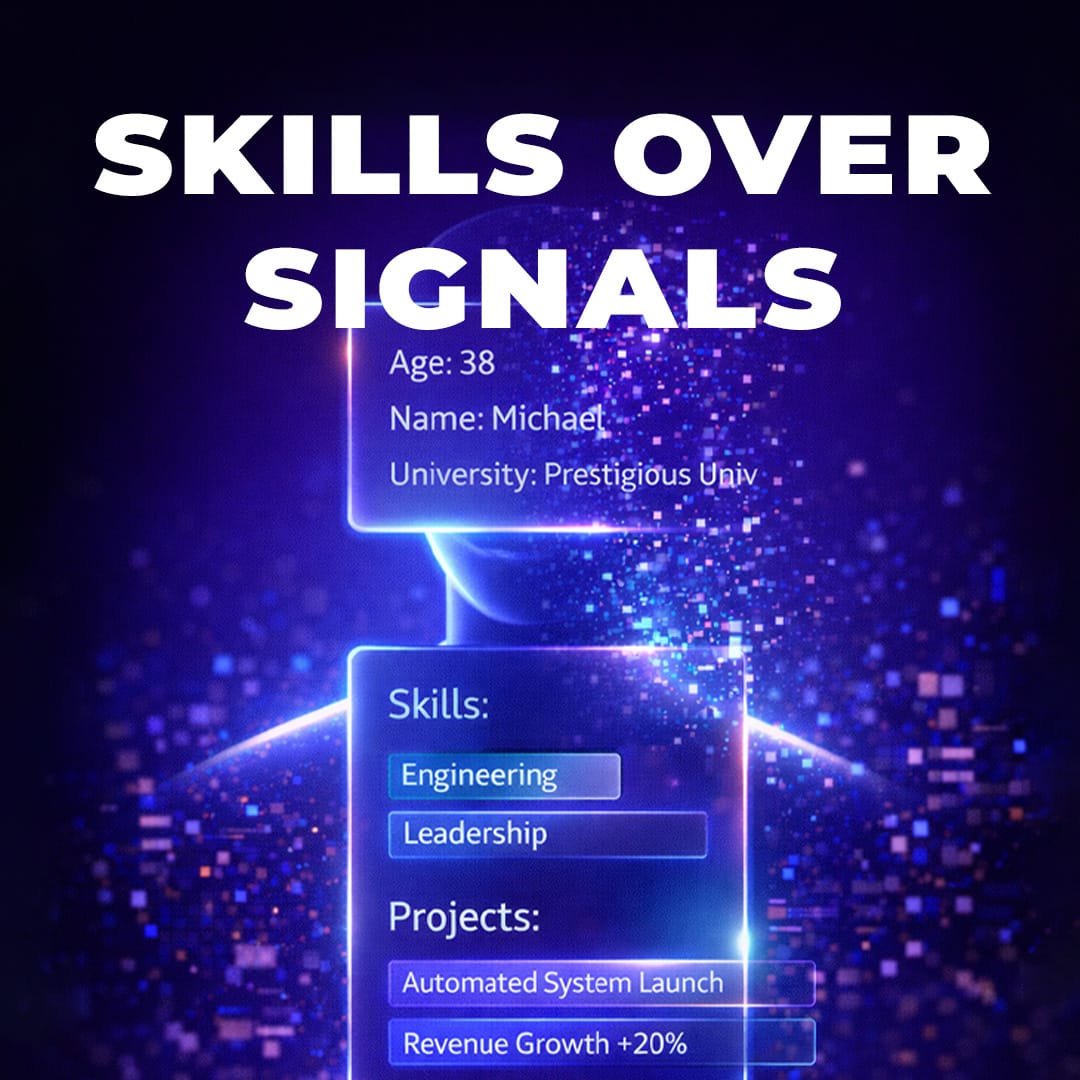
We like to think of ourselves as fair-minded but the human brain is a master of shortcuts. These shortcuts - what we call unconscious biases - are the invisible filters that shape our world. They influence who we hire, who we mentor and whose ideas we listen to in meetings.
For years the narrative has been that technology reflects the biases of its creators. While that risk is real, there is a more hopeful side to the story: AI is becoming our most powerful ally in the fight for equity.
When designed with intention, technology doesn't just mirror our flaws it helps us transcend them.
The Hidden Barriers in the Traditional Workplace
Before we look at the solution, we have to acknowledge the problem. Human decision-making is often "noisy". Studies have shown that resumes with names perceived as "diverse" often receive fewer callbacks even with identical qualifications.
This isn't always intentional malice - it’s the result of systemic patterns and cognitive shortcuts. This is where AI steps in acting as a "bias-check" for the human ego.
How AI is Rewiring DEI (Diversity, Equity and Inclusion)
AI isn't a magic wand but it is a highly sophisticated magnifying glass. Here are three ways it’s currently moving the needle:
1. Removing the "Signal Noise" in Hiring
AI-powered recruitment platforms can now perform "blind" screening at scale. By automatically redacting names, zip codes and graduation years, the software forces recruiters to focus on skills-based assessment.
2. The Power of Inclusive Language
The words we use act as a "Keep Out" sign for certain demographics without us even realizing it. AI-driven writing tools can analyze job descriptions in real-time flagging gender-coded language (like "rockstar" vs. "collaborator") and suggesting neutral alternatives. This simple shift has been shown to increase the diversity of applicant pools by up to 30%.
3. Real-Time Equity Audits
In the past gender or racial pay gaps were discovered years too late during manual audits. Today AI can monitor compensation and promotion data across an entire organization. If a discrepancy appears - for example, if a specific department is consistently bypassing qualified minority candidates for promotion - the AI flags it for human review immediately.
The "Garbage In, Garbage Out" Caveat
We have to be honest: AI is a mirror. If we train an algorithm on historical data from a company that only hired one type of person for 40 years, the AI will learn that that person is the "ideal" candidate.
To combat this, the future of AI and Diversity relies on three pillars:
- Diverse Engineering Teams: We need diverse perspectives building the code.
- Algorithmic Auditing: Regularly checking tools for "drift" or bias.
- Human Oversight: Using AI to inform decisions, not to make them in a vacuum.
Moving Forward
Technology is giving us the tools to build a workplace where talent is the only currency that matters. By using AI to strip away our subconscious preferences we aren't just making "better" hires - we're building a more innovative, representative and successful world.
What do you think? Is AI the key to a fairer workplace, or are you concerned about the risks? Let’s start a conversation in the comments below.