
🧠 Beyond the Algorithm: Why Human Recruiters Are the True MVPs of Tech Hiring

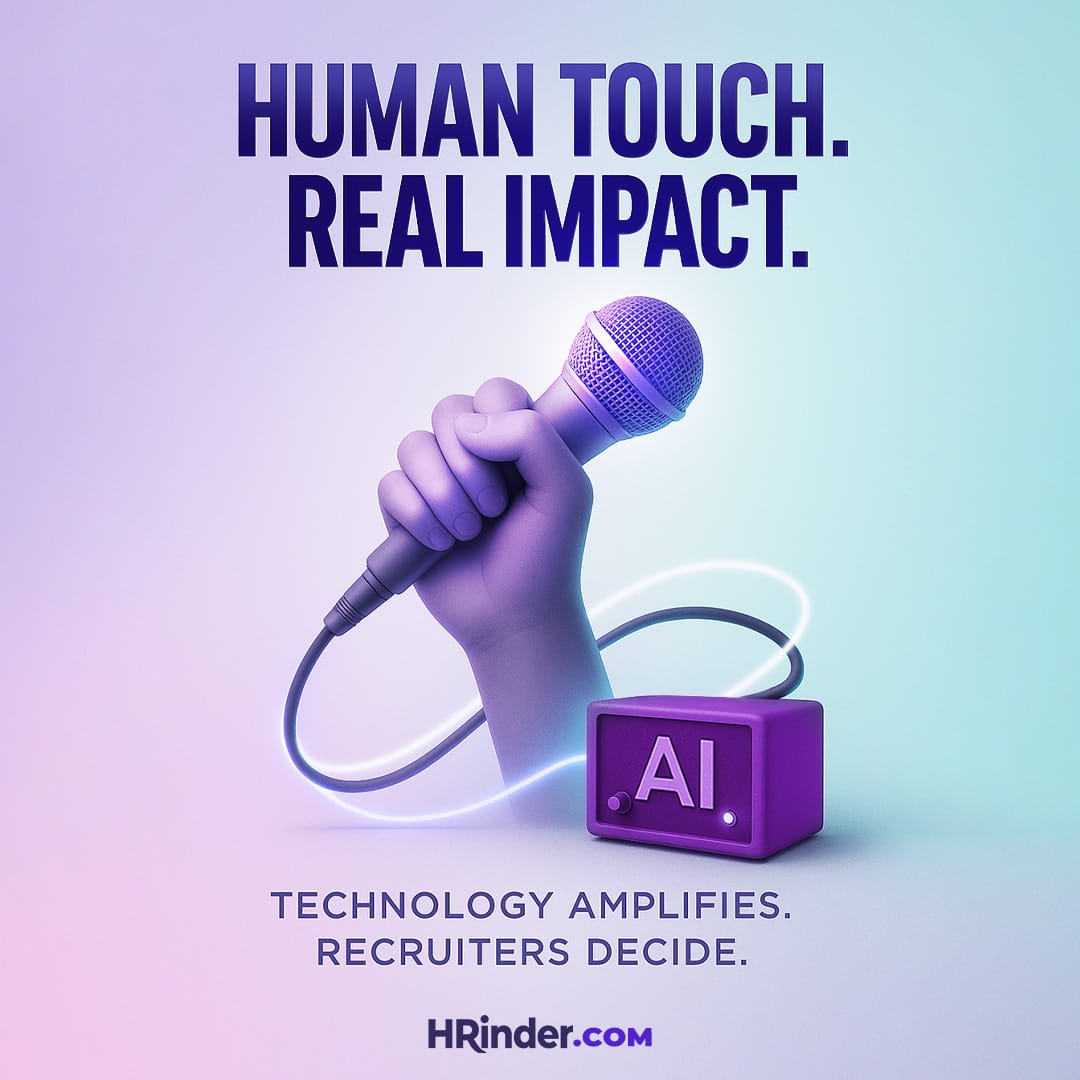
The recruitment landscape in the IT sector has been revolutionized by AI. Automated tools handle resume parsing, initial screenings, and interview scheduling with unprecedented efficiency. But if AI can score a candidate's GitHub profile and flag algorithm knowledge, why do we still need a human recruiter?
The answer lies in the non-quantifiable dimensions of tech strategy and team chemistry.
Here are four critical roles where human recruiters remain the indispensable layer in IT talent acquisition:
1. Decoding Contextual Skill Fit (The "Why")
An algorithm can match keywords (e.g., "Python," "Kubernetes"), but it cannot match context.
- Human Nuance: An experienced IT recruiter understands the difference between a developer who used Python for simple scripting and one who architected a scalable, high-concurrency API using advanced Python frameworks. They know that a DevOps engineer's true value is not just knowing Terraform, but understanding why the current infrastructure requires a shift to infrastructure-as-code.
- The Interview Gap: A human knows which probing questions to ask to differentiate theoretical knowledge from battle-tested experience - questions that reveal problem-solving philosophy, not just syntax.
2. Strategic Foresight: Hiring for the Next Stack
Tech stacks are fluid, evolving faster than any standardized AI training data. Today’s hot skill could be tomorrow's legacy debt.
- Adaptability & Potential: Recruiters don't just hire for the job description of today; they hire for the roadmap of tomorrow. They assess a candidate's learnability and ability to pivot to an emerging framework or architecture (like Serverless or Quantum Computing principles).
- Market Intelligence: They serve as human market analysts, translating complex industry trends (e.g., the rise of Rust, the shift from monolithic to microservices) into actionable hiring strategies that keep your engineering teams competitive.
3. The Team Chemistry Overlap (Cultural API)
Tech teams function like complex systems. A high-performing team requires more than just technical horsepower; it needs psychological safety and aligned work ethics.
- Soft Skills as Hard Requirements: AI cannot assess how a candidate handles a code review disagreement, whether they’ll be a mentor or a solo contributor, or if their communication style meshes with the existing lead engineer.
- Preventing Toxic Debt: A human recruiter is the guardian of the company's culture, tasked with identifying subtle cues that indicate a potential long-term friction point, thereby preventing the "toxic debt" of a bad hire that can crush team morale and velocity.
4. Ethical Oversight and Bias Mitigation
While the promise of AI is unbiased hiring, its reality is that it often amplifies biases present in historical data (e.g., favoring candidates from institutions or companies with predominantly non-diverse demographics).
- The Human Check: Recruiters are essential for interpreting AI outputs responsibly. They actively challenge their own unconscious biases and the inherent biases of the tools, ensuring shortlists are inclusive and that potential is valued over simply replicating the past. They are the human ethical layer in the automated system.
🚀 The Future is Augmented, Not Replaced
The most effective IT hiring today is a Human + AI collaboration. AI handles the heavy lifting of data volume, freeing the recruiter to focus on high-value human interaction: strategy, empathy, negotiation, and judging potential.
In the hyper-competitive war for tech talent, the human touch isn't a luxury - it's a fundamental competitive edge.
What is one non-technical soft skill you look for most when hiring a new engineer or developer? Share your thoughts below!