
😰 Dealing with Interview Anxiety in the Tech Industry 💻

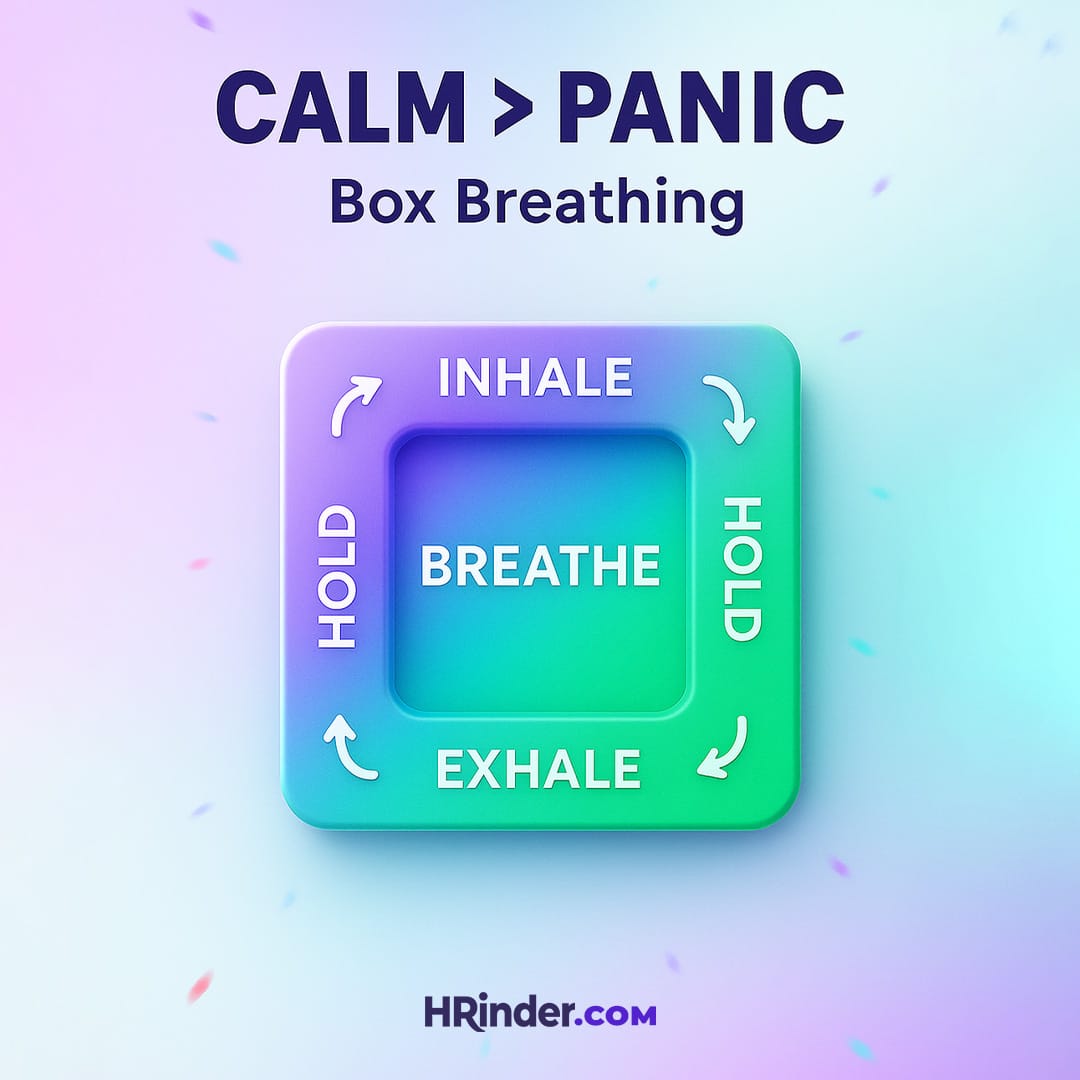
It’s the final step to landing that dream job - the technical interview. But whether you’re facing a complex whiteboard problem, a system design challenge, or a deep dive into an obscure framework, interview anxiety can hit hard. It’s more than just nerves; it can cause mental blocks that hide your true technical competence.
Here’s a breakdown of how to manage that pressure and ensure your skills shine through in your next IT interview:
1️⃣ 🛠️ Pre-Interview Prep: The Technical Antidote
In tech, preparation is your most effective anxiety reducer. Knowledge is power, and technical knowledge is performance assurance.
- Deep Dive into Fundamentals: Anxiety often spikes when you encounter a question on a concept you should know but haven't reviewed recently. Before every interview, spend time reviewing core data structures, algorithms, and object-oriented programming principles. This solid foundation helps you think clearly under pressure.
- Practice Talking Out Loud: Technical interviews aren't just about the correct code; they're about explaining your process. Practice solving coding problems out loud, narrating your thought process, clarifying assumptions, and discussing trade-offs. This makes the actual interview feel less like a performance and more like a collaboration.
- Simulate the Environment: If it’s a whiteboard interview, practice on a physical whiteboard. If it’s a remote session, practice using a shared code editor like the company will use. Familiarity with the medium reduces environmental anxiety.
2️⃣ 💡 During the Interview: Navigating the Mental Block
The moment the interviewer presents a tough problem, your anxiety might flare up. Use these strategies to regain control and keep the conversation productive.
- Clarify Before You Code: When the problem hits, resist the urge to immediately start writing. Take a moment to ask clarifying questions about constraints, edge cases, and expected input/output. This buys you time to gather your thoughts and shows the interviewer you are a thorough engineer.
- The "Slow Walk" Strategy: If you're stuck, use the "slow walk." Announce your intention to the interviewer: "I’m going to outline a brute-force approach first, just to get a solution on the board, and then we can optimize it." This strategy breaks the intimidating problem into manageable steps and gets you started, reducing the paralysis of anxiety.
- Manage Imperfection: Realize that not solving the problem perfectly is often part of the test. The interviewers are looking for how you handle complexity and constructive feedback. If you make a mistake, acknowledge it, state your fix, and move on. Mistakes are data points, not failure points.
3️⃣ 🎯 Post-Interview Review: Continuous Improvement
Tech interviews are iterative. Use the feedback loop to reduce anxiety for future sessions.
- Document and Analyze: Immediately after the interview, write down every technical question you couldn't answer or problem you struggled with. Don't just feel bad about them; treat them as assignments. Go back and solve them perfectly.
- Focus on the Process: Anxiety makes you hyper-focus on the result. Instead, review the process: Did you handle the edge cases well? Was your communication clear? Did you think about complexity? Improving the process directly improves future confidence.
- The Follow-Up Fix: If you realize you completely botched the complexity of an algorithm or forgot a key design pattern, briefly address it in your thank-you email. You can say something like, "Reflecting on the system design discussion, I realize a better approach for the database would have been to leverage sharding, which would significantly improve horizontal scaling." This demonstrates learnability, a highly valued trait in tech.
By turning your anxiety into structured preparation and process-focused conversation, you'll feel more in control and better able to demonstrate your high-value technical expertise.
What technical topic do you find most anxiety-inducing to be questioned on? 👇