
From "To Whom It May Concern" to "Specifically For You": Personalizing the Candidate Journey with ML

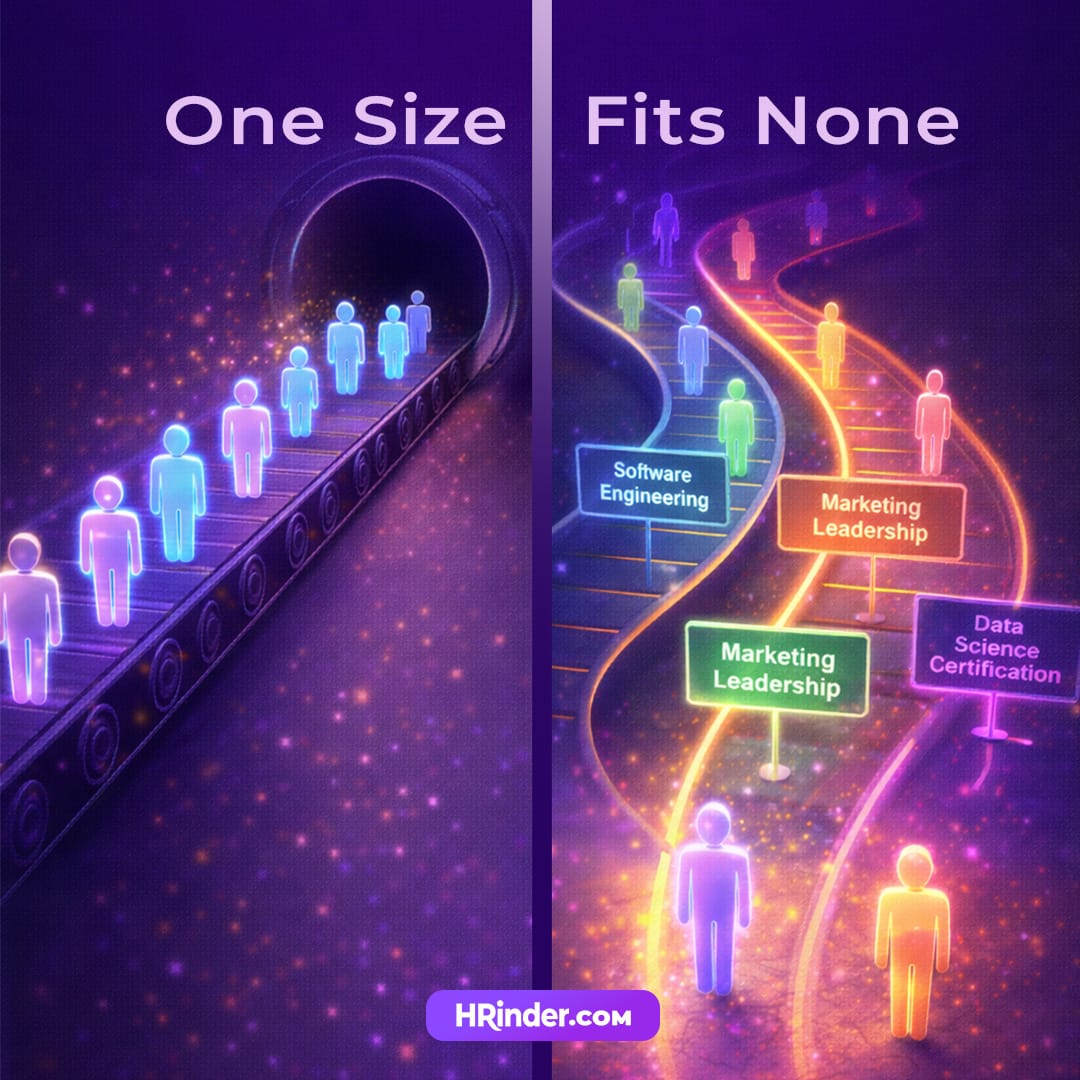
Let’s be honest: the traditional recruitment process has often felt a bit like shouting into a void. You send off a resume, wait for a robotic "receipt confirmed" email and then… nothing. For candidates it’s frustrating. For companies, it’s a missed opportunity to build a relationship with top-tier talent.
But the "Black Hole" of recruitment is finally being filled - not with more manual labor but with Machine Learning (ML).
In 2026, the best talent doesn't just look for a job, they look for an experience. Here is how leading organizations are using ML to move away from generic pipelines and toward hyper-personalized candidate journeys.
The End of the One-Size-Fits-All Approach
Personalization isn't just about sticking a tag in an email. It’s about delivering the right information at the right moment. Machine Learning acts as the "silent concierge" of the candidate experience, analyzing data points to tailor every touchpoint.
1. Smart Discovery and Job Matching
Instead of a candidate manually filtering through hundreds of irrelevant listings, ML algorithms analyze their background and even social engagement to surface the "Perfect Fit". This doesn't just save time, it creates an immediate sense of belonging. When a candidate sees a role that aligns with their specific career trajectory, they are significantly more likely to engage.
2. Tailored Content Experiences
If a candidate is a Backend Developer, they probably don't care about your marketing team's latest award. ML allows career sites to dynamically change based on who is visiting. A developer might see blog posts about your architecture and videos of the CTO, while a sales candidate sees your commission structures and growth milestones.
3. Real-Time, Intelligent Communication
The biggest pain point in hiring is the lack of feedback. ML-powered communication tools go beyond basic chatbots. They can provide specific status updates, answer complex questions about company benefits and even suggest the best times for interviews based on the candidate's historical preferences. It keeps the momentum high and the "ghosting" low.
Why This Matters for Your Bottom Line
It’s easy to think of personalization as a "nice-to-have", but the data suggests it's a business imperative:
- Improved Conversion Rates: Personalized career site experiences can increase application completion rates by over 40%.
- Reduced Time-to-Hire: By matching the right people to the right roles faster ML reduces the noise in the recruiter’s inbox allowing them to focus on high-quality interviews.
- Enhanced Employer Brand: Candidates who have a positive, tailored experience - even if they don't get the job - are much more likely to recommend your company to their peers.
The Human Element in the Machine
A common fear is that "more AI means less human". In reality, the opposite is true. By offloading the repetitive data-heavy tasks of sorting and scheduling to Machine Learning, recruiters are freed up to do what they do best: build genuine human connections.
ML shouldn't be used to make the final hiring decision, it should be used to make sure the human recruiter is talking to the best possible candidates as quickly as possible. It strips away the "pedigree bias" and focuses on the skills that actually matter making the process not only more efficient but more equitable.
Moving Forward
The goal of the candidate journey is no longer just to fill a seat - it’s to create an advocate for your brand. By leveraging Machine Learning to personalize the path from "Applicant" to "Employee", you’re not just hiring, you’re scaling empathy.
Is your recruitment tech stack ready for the personalized era?