
Mind the Gap: Why Upskilling is Your Best Business Strategy for 2026

In the current professional landscape, the only constant is change. As we move through 2025, the "Skills Gap" - the divide between the skills employers need and what the workforce currently possesses - has become a top-tier boardroom priority.
According to the World Economic Forum, nearly 50% of all employees will need reskilling by the end of this year. But this isn't a crisis; it’s a catalyst. For forward-thinking organizations, the solution isn’t just hiring new people - it’s upskilling the incredible talent already in the building.
The Cost of Staying Static
Traditional recruitment is becoming slower and more expensive. The cost of replacing an individual employee can range from one-half to two times the employee's annual salary. Beyond the finances, constant turnover erodes company culture and creates "institutional amnesia."
Conversely, companies that prioritize internal growth see:
- 94% higher retention rates (LinkedIn Learning).
- Increased Agility: A workforce that can pivot as fast as the market.
- Future-Proofing: Closing the gap on GenAI and digital literacy before competitors do.
5 Actionable Strategies to Bridge the Skills Gap
1. Conduct a "Skills Audit" (Not just a Performance Review)
You can’t fix what you haven't measured. Move beyond standard performance reviews and implement a Skills Gap Analysis. This involves mapping your current team's competencies against the strategic goals of your company for 2026.
- Pro Tip: Use "Skills Intelligence" software to identify "hidden" talents in your team that aren't being utilized in their current roles.
2. Embrace "Microlearning" and the Flow of Work
The #1 reason employees give for not training is a lack of time. The solution is microlearning: short, 5-to-10-minute high-impact modules that can be completed during the workday. When learning is integrated into the daily flow of work rather than treated as a separate "event," retention rates jump by up to 80%.
3. Incentivize a "Growth Mindset"
Upskilling shouldn't be a top-down mandate; it should be a bottom-up desire.
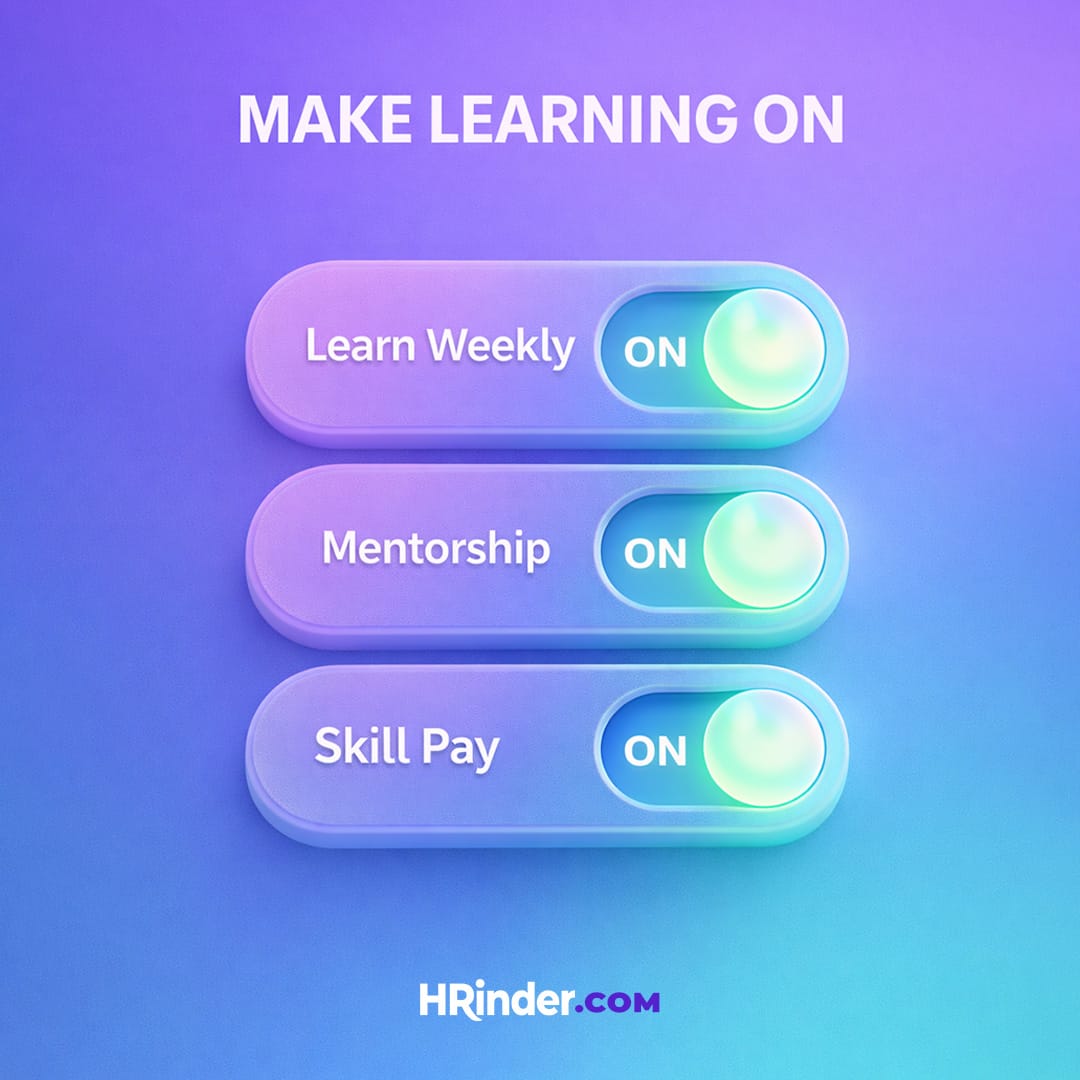
- Create Skill-Based Pay: Reward employees who gain certifications in high-demand areas (e.g., Data Analytics, AI Prompting).
- Gamification: Use leaderboards and digital badges to make the learning journey social and competitive.
4. Prioritize "Durable" Soft Skills
While technical skills (like Python or SEO) are essential, they have a "half-life" of about five years. "Durable" skills - such as critical thinking and adaptability - stay relevant forever. Ensure your training programs include a healthy balance of both.
5. Launch a Mentorship & "Reverse Mentorship" Program
Knowledge transfer is one of the most underused assets in a company. Pair senior leaders with junior staff to share industry wisdom. Conversely, use Reverse Mentorship where younger, "digital native" employees help senior leadership navigate emerging tech trends.
Conclusion: The "Build vs. Buy" Mentality
The organizations that will lead in 2026 are those that view their employees as renewable assets. By shifting from a "buying" mentality (recruitment) to a "building" mentality (upskilling), you create a resilient and highly capable workforce.
Does your organization have a formal upskilling roadmap in place? If not, there’s no better time to start than now.