
🏗️ Permanent Staffing: The Foundation of Culture

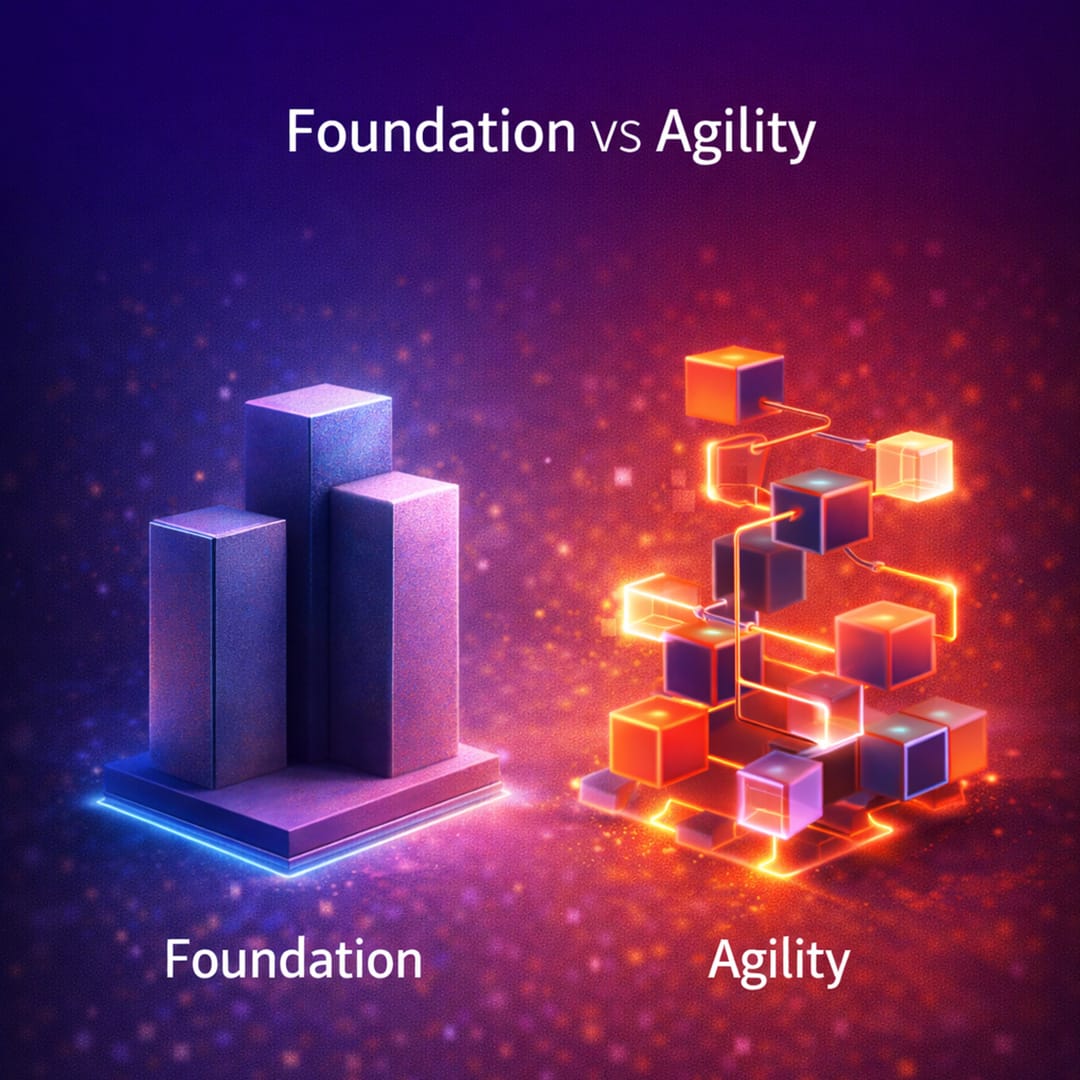
Permanent employees are the "full-timers" - the ones who have a seat at the table for the long haul. They aren't just here to execute tasks, they are here to build the company’s legacy.
The Strategic Advantages
- Institutional Knowledge: Long-term employees understand the "why" behind your processes. They know the history, the clients and the quirks that make your business run.
- Cultural Continuity: It is much easier to foster a specific company culture when your team is consistent. Permanent staff are more likely to buy into your mission and values.
- Succession Planning: You can’t promote a contractor to a VP role five years down the line. Permanent hires represent your future leadership pipeline.
The Trade-offs
The biggest hurdle here is fixed cost. Between salaries, health insurance, 401(k) contributions and taxes, a permanent hire is a significant financial commitment. There is also the "rigidity" factor - if your industry takes a sudden dip downsizing a permanent team is a painful and expensive process.
⚡ The Contingent Workforce: The Power of Agility
The contingent workforce - contractors, freelancers and gig workers - is the ultimate tool for a business that needs to move fast. In an era of "just-in-time" talent, these are the specialists you call in for a specific mission.
The Strategic Advantages
- Hyper-Specialization: Need a blockchain expert for a six-month project? Or a niche AI ethics consultant? You probably don't need them on staff forever, but you need them now.
- Financial Flexibility: Contingent workers are often paid through a 1099 or via an agency. When the project ends, the expense ends. It’s "pay-as-you-go" talent that keeps your overhead lean.
- Reduced Training Time: Most contractors are high-level experts in their specific field. They don't need three weeks of onboarding, they hit the ground running on day one.
The Trade-offs
The primary risk is fragmentation. Contingent workers often work for multiple clients. They might be highly skilled, but they aren't necessarily "all in" on your company’s long-term soul. Additionally, if you rely too heavily on them, you risk losing vital knowledge once their contract expires.
⚖️ The Direct Comparison
When choosing between the two, consider these three pillars:
- Cost vs. Value: Permanent staff are a long-term investment in value, contingent workers are a short-term investment in specific results.
- Training vs. Expertise: Permanent staff require investment in their growth, contingent workers are hired because they’ve already grown.
- Risk vs. Reward: Permanent staffing carries the risk of high overhead, contingent staffing carries the risk of high turnover and a lack of brand loyalty.
The 2026 Strategy: The "Blended" Team
The most successful organizations today are moving away from an "either/or" mindset. Instead they are building Blended Teams.
This involves a core "hub" of permanent employees who hold the vision and the culture, surrounded by a "spoke" of contingent specialists who can be rotated in and out based on market demands. This hybrid model provides the stability you need to survive and the flexibility you need to thrive.
The Bottom Line: Don’t hire for the seat. Hire for the trajectory of the project.