
💾 System Failure: Recognizing and Resolving the Burnout Crisis in Tech

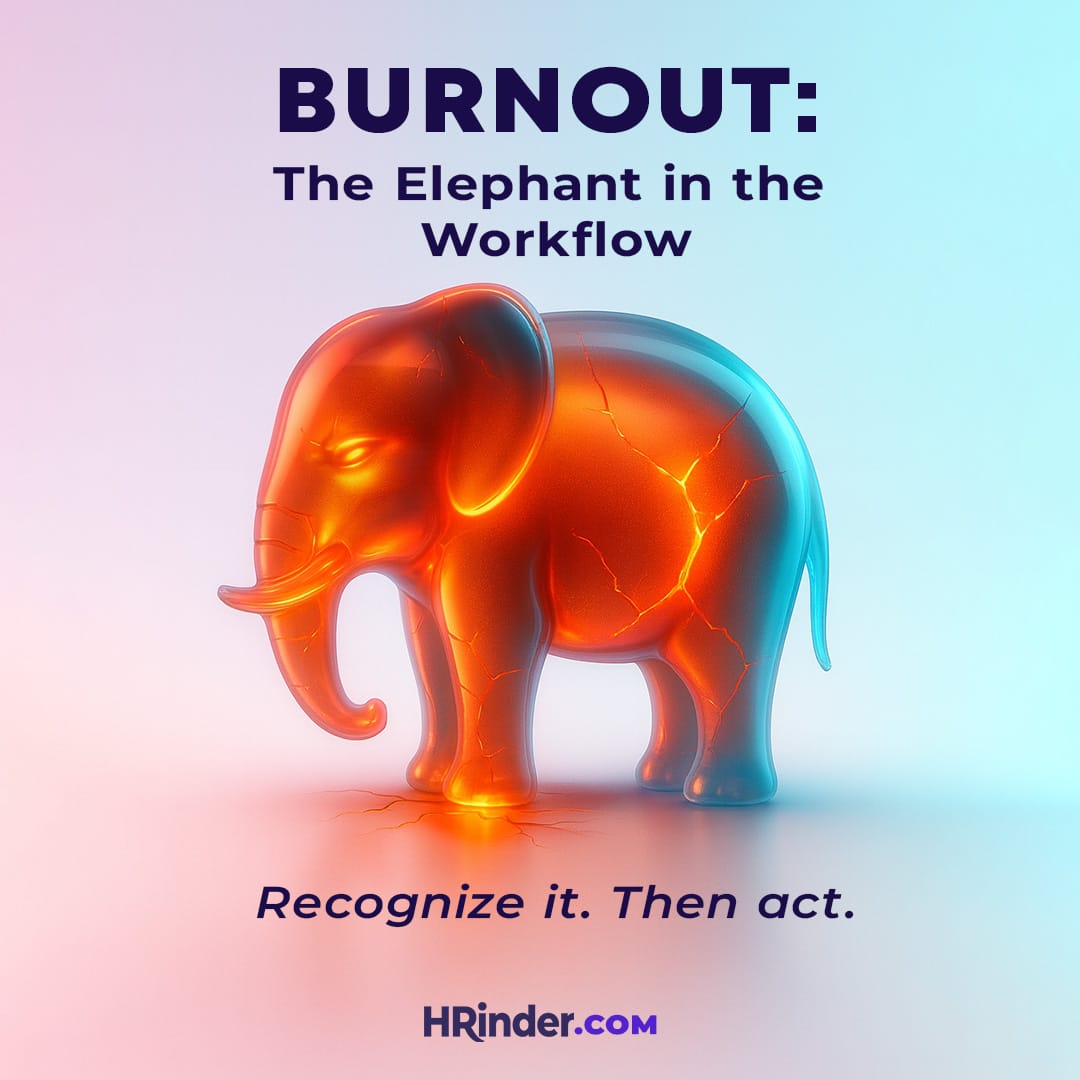
The Unmanaged Exception: When Chronic Stress Becomes Code Debt
In the demanding world of tech - defined by agile sprints, continuous integration, and 24/7 incident response - burnout isn't just a personal issue; it's a critical system vulnerability. When an engineer or developer burnout, they are not merely tired; they are operating with an unmanaged exception that degrades system performance, introduces bugs, and ultimately increases technical and personnel debt.
Ignoring burnout is equivalent to ignoring escalating error logs. It guarantees a catastrophic crash down the line.
🔍 Debugging the Human System: The Three Vectors of Burnout
The World Health Organization (WHO) defines burnout by three key characteristics. For a tech professional, these manifest as quantifiable drops in performance and cognitive function:
1. Resource Exhaustion (The Memory Leak) 🔋
This is the state where the system's energy resources are perpetually depleted, causing continuous, high latency.
- Symptom: Chronic Cognitive Fog. Difficulty focusing on complex problem-solving, reduced capacity for abstraction, and an inability to transition between tasks effectively.
- Log Entry: "Can’t hold more than two variables in short-term memory. Tasks requiring deep work feel impossible."
- Physical Analogy: Persistent fatigue that no amount of sleep can clear, often accompanied by stress-related physical symptoms (tension, poor immunity).
2. Professional Detachment (The Security Breach) 🛡️
The individual's engagement firewall fails, leading to apathy and cynicism that compromises team cohesion and organizational loyalty.
- Symptom: Increased Cynicism & Loss of Flow. Losing the enjoyment from solving challenging technical problems. Viewing organizational goals or project features as pointless or overly complex obstacles.
- Log Entry: "Zero enthusiasm for new projects or learning new frameworks. Actively avoiding team interactions."
- Behavioral Analogy: A move toward siloed, transactional work with minimal investment in quality or collaboration.
3. Reduced Efficacy (The Performance Throttle) 🐌
This is the most dangerous professional symptom, where output drops, but the cause is mental depletion, not lack of effort or skill.
- Symptom: Elevated Error Rates and Slowed Development Cycle. Increased frequency of bugs in committed code, poor estimation on tasks, and a reluctance to engage in code reviews or mentoring.
- Log Entry: "Pull requests are becoming trivial or rushed. Missing obvious use-cases or edge conditions in testing."
- Organizational Impact: Project timelines slip, quality control degrades, and reliance on other team members increases exponentially.
🛠️ The Tech Reset: Implementing Proactive Mitigation Strategies
To resolve burnout, we must treat it as a critical infrastructure project requiring immediate intervention and long-term architectural changes.
1. Hard Boundary Deployment (The Firewall)
Implement strict boundaries to segment work time from personal time.
- Actionable Step: Schedule 'No Meeting/Deep Work' blocks and enforce a strict digital shutdown protocol. Turn off Slack/email notifications on all personal devices after a certain hour (e.g., 6 PM). The expectation must be that the team respects asynchronous communication outside of crisis mode.
2. Time Allocation Re-Optimization (The Sprint Review)
Leaders must actively monitor and manage the allocation of high-cognitive load tasks.
- Actionable Step: During sprint planning, factor in "Cognitive Overhead" time. This is non-billable time reserved for skill development, process improvement, or simply decompression, treating it as crucial as task completion. Utilize tools for transparent workload tracking to prevent hero-coding and task-dumping onto high-performers.
3. The Micro-Reboot (The Pomodoro Protocol)
Integrating small, intentional breaks into the workflow dramatically improves cognitive resilience.
- Actionable Step: Commit to the Pomodoro Technique (25 minutes focus, 5 minutes break) or a similar structure. Use the break to step away from the screen - do not swap contexts (e.g., checking social media); look away from blue light entirely.
4. Feedback Loop Integration (The Retrospective)
The team must make mental wellness a non-negotiable part of the post-sprint retrospective.
- Actionable Step: Add a question to your retro: "On a scale of 1-10, how sustainable was this sprint? What was the biggest drain on your mental resources?" Use this data to iterate and improve process, not to assign blame.
✅ Final Commit
Burnout is a problem of poor system architecture, not poor character. In the high-stakes, competitive environment of technology, our greatest asset is the intellectual capacity of our teams. By applying the same rigorous analytical and solution-oriented thinking to our well-being as we do to our code, we can prevent system failures and ensure sustainable, high-quality performance.
What is your organization doing to measure and manage the risk of professional burnout? Share your best mitigation strategy in the comments!