
🚀 The End of the "Wait-and-See" Era: How AI is Transforming Background Checks in 2026

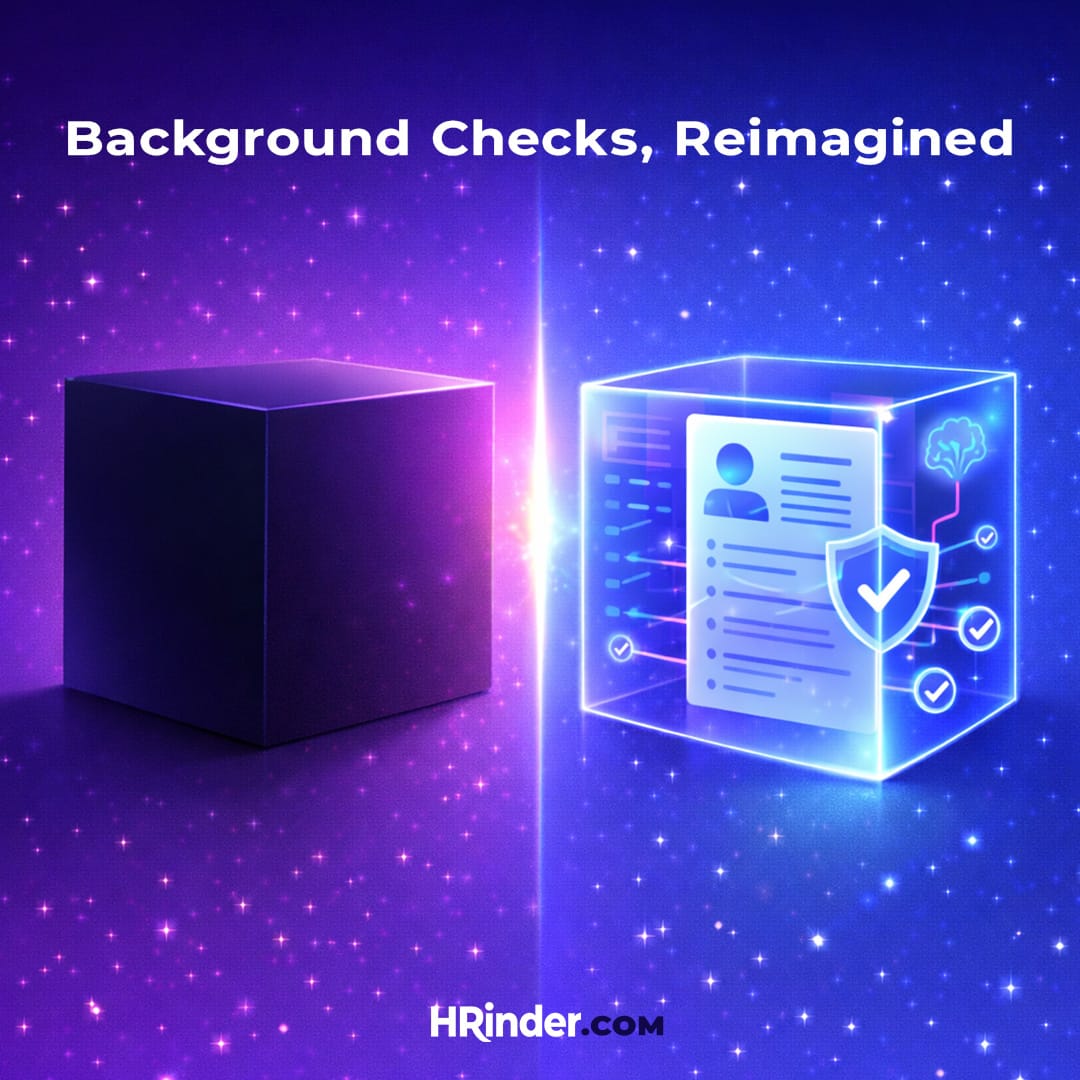
In 2026, the traditional "wait and see" approach to background checks is officially a thing of the past. AI isn't just a buzzword anymore, it is the engine driving the most efficient hiring teams in the world.
From slashing turnaround times by 60% to identifying deepfake candidates, here is how AI is fundamentally transforming the landscape of background verification.
1. Beyond the Paper: Intelligent Data Processing
Traditional background checks often hit a wall when dealing with messy, unstructured data. AI has changed that. Using Natural Language Processing (NLP) and Computer Vision, modern systems can scan thousands of court records, academic transcripts, and employment letters in seconds.
Instead of a human clerk manually cross-referencing a maiden name across three different counties, AI-powered "name matchers" instantly identify which records belong to your candidate and which are just noise. This reduces the risk of "false positives" that could unfairly disqualify a great hire.
2. Fraud Detection in the Age of Deepfakes
One of the most critical trends of 2026 is the rise of AI-generated fraud. Bad actors are now using deepfake video and audio during remote interviews or submitting sophisticated, photoshopped credentials.
To counter this, AI background checks now include Liveness Detection and Document Intelligence. These tools analyze pixel patterns, digital noise, and font irregularities that are invisible to the naked eye. If a diploma has been even slightly altered in Photoshop, the AI flags it immediately.
3. From "Point-in-Time" to Continuous Monitoring
Historically, a background check was a snapshot - valid only on the day it was run. But what happens if an employee in a safety-sensitive role incurs a violation six months later?
AI has enabled Continuous Monitoring. Rather than running a check once a year, systems now scan authoritative databases in real-time. This provides employers with instant alerts regarding:
- New criminal convictions
- Professional license expirations
- Driver’s license suspensions
This shift from reactive to proactive risk management is a game-changer for industries like healthcare, logistics and fintech.
4. Navigating the 2026 Compliance Minefield
With the EU AI Act reaching full enforcement and strict new regulations in states like California, compliance is more complex than ever. AI tools are now designed with "Compliance by Design".
These systems automatically track candidate consent, manage "adverse action" notice periods and ensure that data is handled according to GDPR or CCPA standards. Crucially, 2026 marks the end of "black box" AI. New transparency mandates require that employers can explain why an AI flagged a candidate, moving toward a "Human-in-the-Loop" model where technology assists but humans make the final call.
5. Improving the Candidate Experience
In a competitive talent market, speed is everything. In the past, a background check taking two weeks meant losing your top choice to a faster competitor.
AI-driven platforms have reduced turnaround times (TAT) from weeks to hours. With automated status updates and mobile-first document uploads, candidates feel more engaged and less anxious, which significantly boosts your employer brand.
The Bottom Line
AI in background checks isn't about replacing human judgment, it's about empowering it with better data. By automating the administrative "heavy lifting", HR teams can focus on what really matters: building a culture of trust and safety.