
The Ghost in the Machine: Navigating the Ethics of AI in 2026 Hiring

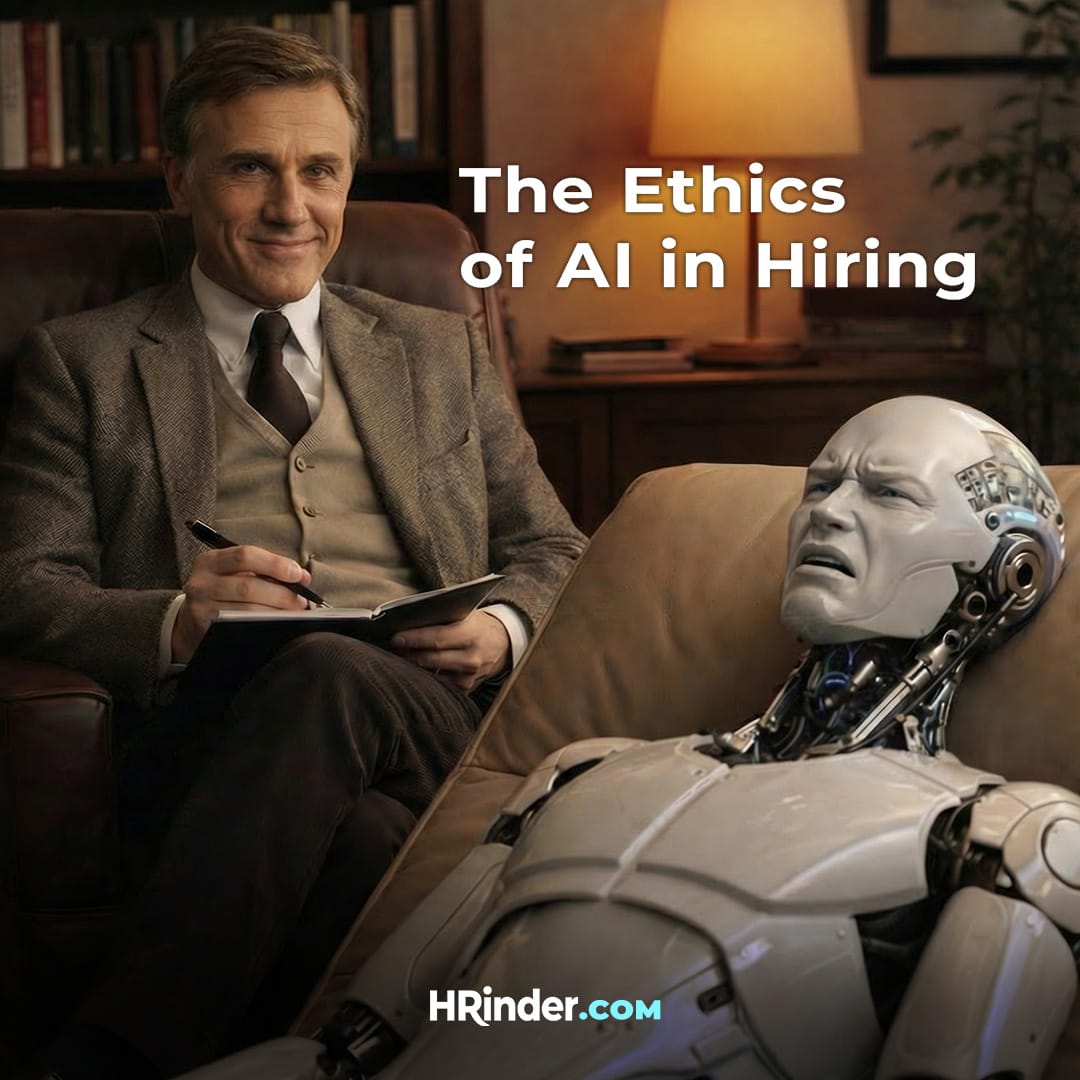
It’s 2026, and the "Great Automation" of HR is no longer a prediction - it’s our reality. Today an AI can parse 5,000 applications while you’re pouring your first cup of coffee. It can analyze voice inflections in video interviews and predict a candidate’s "culture fit" before they even speak to a human.
But as these tools become more sophisticated, we find ourselves at a moral crossroads. When we automate the "Who" of our organizations, are we losing the "Why?"
As we integrate these powerful systems, we must address the ethical friction points that define the modern workplace.
The Transparency Crisis: Opening the "Black Box"
The most significant ethical hurdle remains the "Black Box" problem. Many advanced machine learning models are so complex that even their creators can’t fully explain why the system chose Candidate A over Candidate B.
In a world where job seekers are increasingly tech-savvy, "the computer said no" is no longer an acceptable answer. Ethical hiring in 2026 requires Algorithmic Explainability. If a tool is used to make a life-altering decision for a professional that professional has a right to understand the logic behind the curtain.
The Mirror Effect: Bias in, Bias out
AI does not have its own prejudices, it inherits ours. By training models on historical hiring data, we risk codifying the mistakes of the past. If a company historically hired from a specific demographic, the AI may interpret those demographic markers as "success signals" effectively automating discrimination.
To fight this, we must move toward:
- Blind Data Inputs: Stripping away identifiers that lead to subconscious bias.
- Diverse Audit Teams: Ensuring the people building the AI are as diverse as the people being screened by it.
- Continuous Feedback Loops: Regularly "sanity-checking" AI outputs against real-world diversity and performance metrics.
Why the "Human-in-the-Loop" is Non-Negotiable
Efficiency is not the same as effectiveness. An algorithm can identify a "high-performer" based on a resume, but it cannot yet feel the spark of potential, the resilience of a career pivot or the nuanced empathy a leader brings to a struggling team.
The most successful companies in 2026 aren't replacing recruiters with bots, they are using bots to free up recruiters to be more human. By automating the administrative heavy lifting, HR professionals can spend more time on deep-dive conversations and cultural storytelling.
The Path Forward: A New Social Contract
Ethical AI hiring isn't just about compliance or avoiding lawsuits, it's about brand trust. In a competitive talent market, candidates will gravitate toward companies that treat them like people not data points.
Our ethical checklist for 2026:
- Consent: Be radical about telling candidates how their data is being used.
- Audit: Treat your algorithms like employees - review their performance and fairness annually.
- Override: Always provide a clear path for a human to review an automated rejection.
Final Thoughts
As we lean into the future of work, let’s remember that technology should be a bridge to better opportunities not a barrier to entry. The goal isn't just to hire faster - it’s to hire better, fairer and with a conscience.
How is your organization balancing the speed of AI with the need for ethical oversight? Let’s keep the conversation going in the comments below.