
💻 The Impact of the Company Culture on Job Satisfaction in the IT Sector

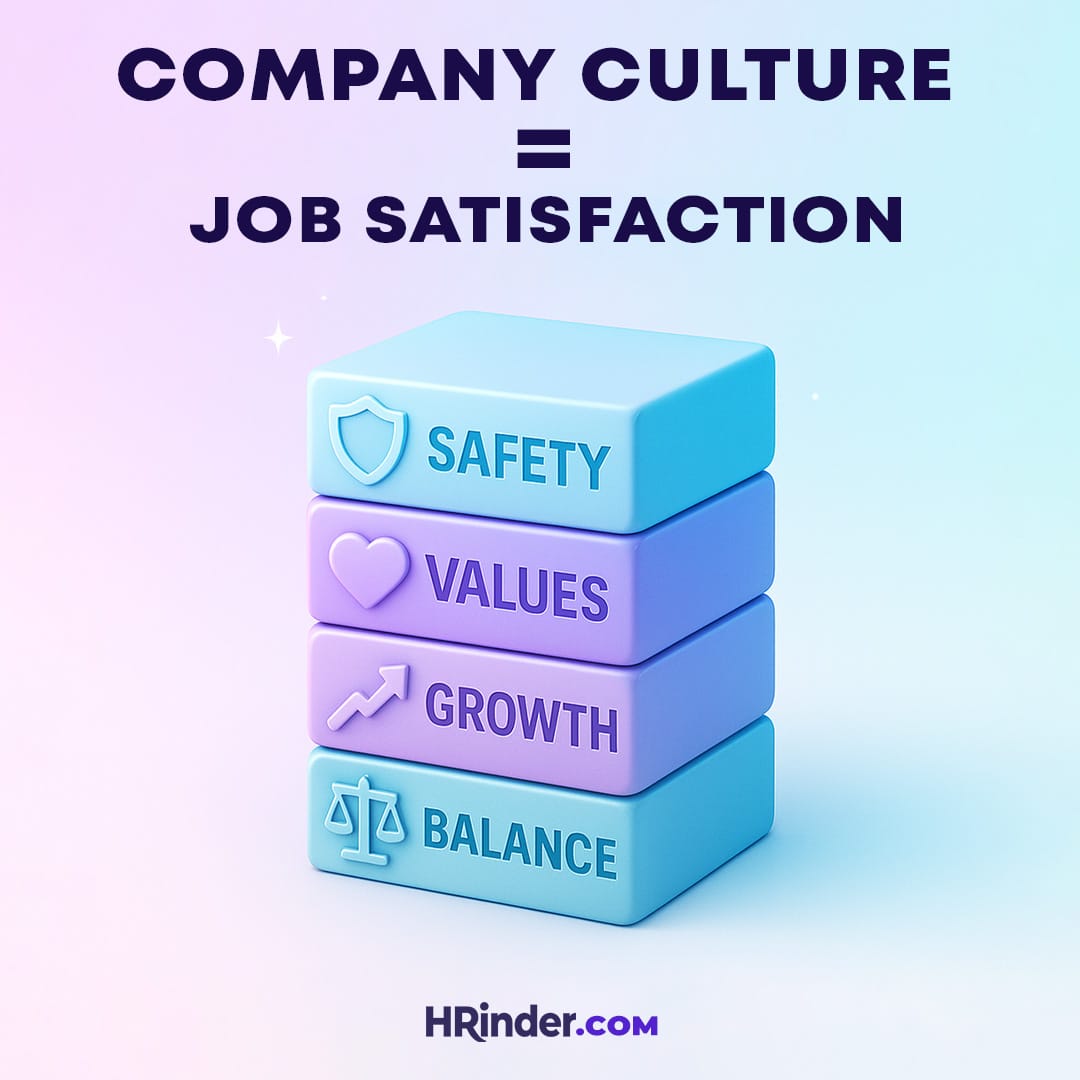
In the fast-paced, high-stress world of Information Technology, talent is the most valuable asset. While competitive salaries and cutting-edge projects are vital, the underlying factor that truly dictates employee happiness and ultimately, success, is Company Culture.
In IT, where burnout is common and skills are highly portable, a strong, positive culture isn't just a "nice-to-have"; it's a strategic imperative. It's the engine that drives high job satisfaction and keeps your top engineers from jumping ship.
What Defines IT Culture? ⚙️
In the IT and tech industry, culture often revolves around specific values crucial for innovation and project delivery:
- Agility and Flexibility: The willingness to adapt quickly to new technologies and pivot on projects.
- Continuous Learning: A commitment to upskilling and embracing new tools (e.g., cloud platforms, new programming languages).
- High Autonomy: Giving engineers the freedom and trust to solve complex problems without excessive micromanagement.
- Risk Tolerance: Treating bugs and failed proofs-of-concept as learning opportunities rather than grounds for blame.
- Collaboration: Encouraging cross-functional teamwork between Dev, Ops, QA, and Product teams.
The Direct Link to Job Satisfaction 🔗
For IT professionals, the culture directly impacts their daily work satisfaction in unique ways:
1. Reducing Technical Debt and Frustration
A culture that prioritizes quality code, comprehensive testing, and clear documentation over reckless speed significantly boosts satisfaction. Engineers feel frustrated and demotivated when they constantly have to manage and fix massive amounts of technical debt caused by a "move fast and break things" culture. Satisfying work in IT is clean work.
2. Fostering Psychological Safety for Innovation
Innovation is the lifeblood of the IT sector. A culture with high psychological safety encourages engineers to pitch unconventional ideas, use experimental technologies, and admit mistakes quickly. When the fear of failure is removed, creativity flourishes, leading to more engaging projects and a deeper sense of fulfillment. Conversely, a punitive culture stifles this essential risk-taking.
3. Promoting a Sustainable Workload (Anti-Burnout)
The "always-on" nature of system support and product releases can quickly lead to burnout. A culture that respects work-life balance - by ensuring adequate staffing for on-call rotations, discouraging mandatory weekend work, and treating paid time off as sacred - is critical.
4. Valuing Expertise and Autonomy
Highly skilled IT professionals crave autonomy and respect for their expertise. A positive culture empowers engineers to make technical decisions and choose the best tools for the job.
💡 Actionable Steps for IT Leadership
To build a high-satisfaction culture within a tech organization:
- Institute "Fix-It" Time: Dedicate a portion of time (e.g., 10-20%) for engineers to work on projects of their choosing or learn new skills. This validates the importance of continuous improvement and autonomy.
- Define a Clear Blameless Post-Mortem Process: After an outage or incident, the focus must be on systemic failures and process improvement, not on blaming individuals. This reinforces psychological safety.
- Invest in Modern Tools: Show your team you value their efficiency by investing in the latest licenses and automation tools. Dealing with outdated, slow tech is a huge source of IT dissatisfaction.
- Create Clear Career Ladders: Define what it means to progress from a Junior Developer to a Senior Engineer, and beyond. Clarity on growth opportunities is a major cultural anchor for retention.
The Takeaway
In the IT world, your culture is your technical roadmap. It determines how quickly you innovate, how resilient your systems are, and, most importantly, how happy and productive your team members are. Neglect it, and your turnover rates will climb faster than your server load during peak traffic.
As an IT professional, what is the single biggest cultural factor that keeps you engaged with your work? Share your thoughts! 👇