
The Silent Crisis: How to Prevent Burnout in HR and Recruiting

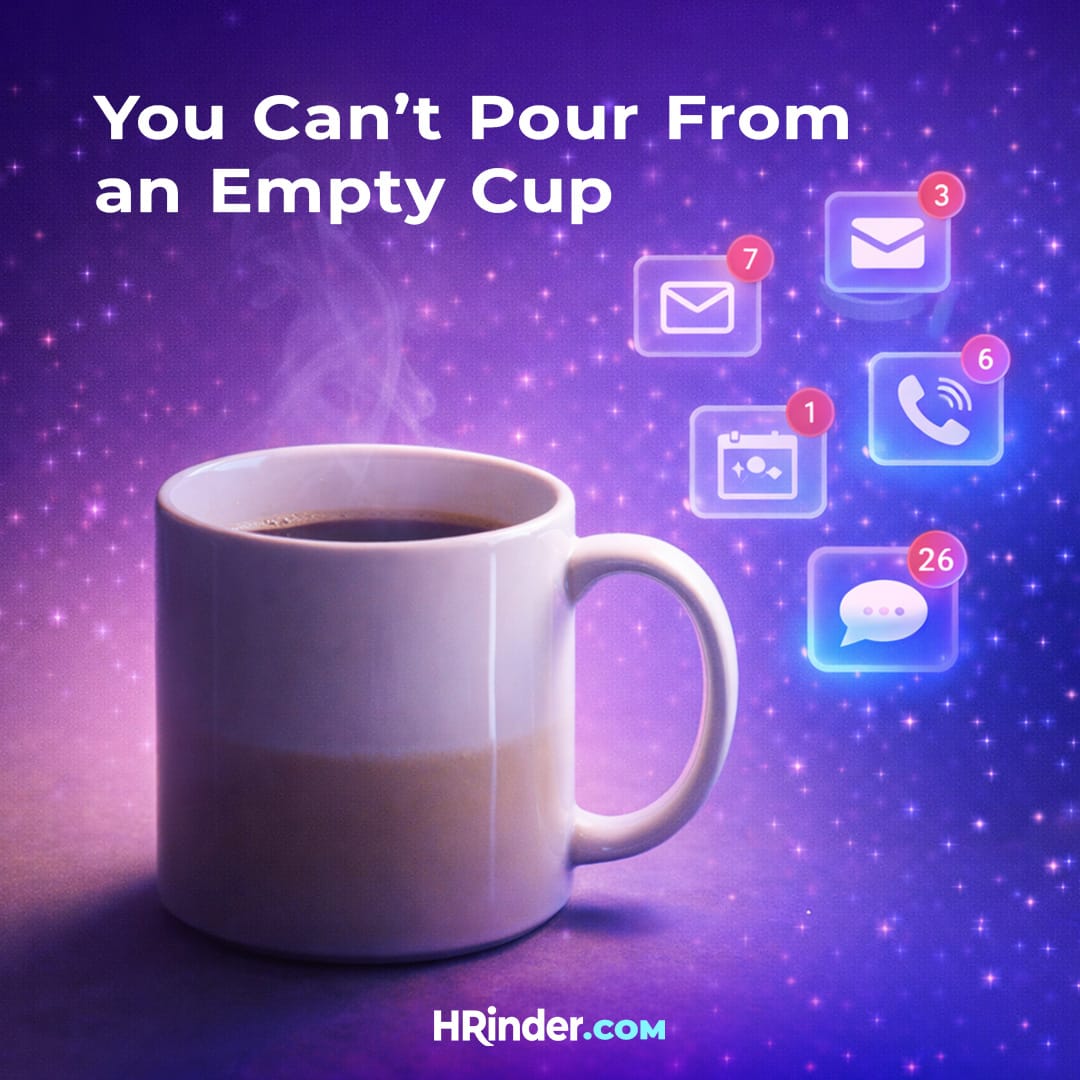
In the world of corporate talent, we often talk about the "Candidate Experience" or "Employee Retention". But there is a group whose experience is frequently overlooked: the people operations team.
Recruiters and HR professionals are the shock absorbers of an organization. When the company scales, you’re sprinting. When the company downsizes, you’re the one delivering the news. This constant emotional labor, paired with high-volume administrative tasks, creates a perfect storm for burnout.
If you are feeling drained, cynical, or ineffective it’s time to audit your workflow. Here is a guide to reclaiming your mental health while staying at the top of your game.
1. Recognize the "Emotional Labor" Tax
Unlike many roles, HR and recruiting require you to be "on" emotionally. You are managing the anxieties of job seekers and the frustrations of hiring managers.
- The Strategy: Practice Cognitive Offloading. At the end of each day, write down the three most emotionally taxing interactions you had. Acknowledging them on paper helps your brain "close the file" so you don’t carry that stress into your evening.
2. Implement the "Rule of Three" for Sourcing
The "always-on" nature of modern recruiting makes it feel like you should be sourcing 24/7. This leads to diminishing returns and mental fatigue.
- The Strategy: Limit yourself to three "deep-dive" sourcing sprints per day (45 minutes each). Studies show that focus drops significantly after an hour of repetitive searching. Quality over quantity will save your sanity.
3. Leverage Automation to Rehumanize Your Role
Burnout often stems from "busy work" - the repetitive emails, interview scheduling and data entry. This makes you feel like a machine, not a consultant.
- The Strategy: Use an ATS (Applicant Tracking System) with robust automation. If you can automate the 70% of your job that is administrative, you can spend the remaining 30% on the high-value human connections that likely drew you to this career in the first place.
4. Establish Cultural Boundaries with Leadership
Many HR professionals burn out because they feel they must be available for every internal "fire".
- The Strategy: Standardize your intake process. Require hiring managers to fill out a brief or use a specific ticketing system rather than "popping in" to your DMs. Protecting your time isn't just good for you, it ensures you have the focus to find them the best talent.
5. Build an External Support Network
Because of confidentiality, HR can be an isolating field. You can’t always talk to your colleagues about the challenges you’re facing.
- The Strategy: Seek out professional "Mastermind" groups or HR-specific communities. Having a space where you can speak freely about the pressures of the industry is the best antidote to isolation.
Final Thoughts
Preventing burnout isn't a one-time event, it’s a daily practice of setting boundaries and choosing where to spend your limited energy. You cannot help your company grow if you are hitting a wall.
What is your team doing to prioritize mental health this quarter? Let’s keep the conversation going in the comments below.