
The Soul in the Machine: Why AI Will Never Replace a Recruiter’s "Gut Feeling"

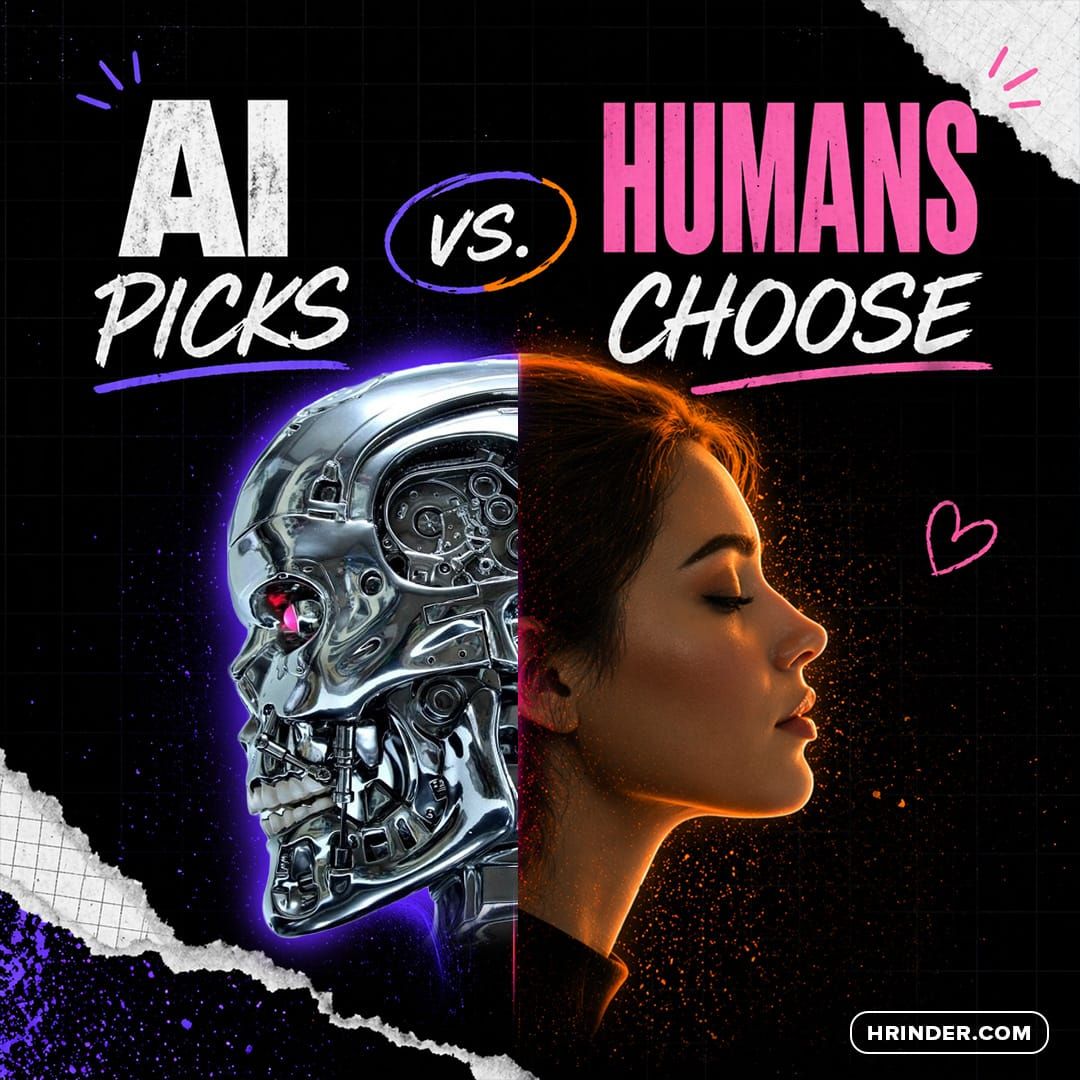
In the modern landscape of Talent Acquisition, we are living through a gold rush of automation. We have AI tools that can scan thousands of resumes in the blink of an eye, chatbots that handle initial screenings and predictive analytics that claim to tell us who will quit before they even start.
There is a specific phenomenon in recruiting that no developer has been able to code: The Gut Feeling. It’s that internal compass that tells a seasoned recruiter, "I know the data says "Yes" but my experience says "No". Here is why the human touch remains the ultimate gatekeeper of great talent.
1. AI Sees Patterns, Humans See Potential
An algorithm is by definition backward-looking. It analyzes historical data to find candidates who look like previous successes. This is great for consistency but terrible for innovation.
A recruiter can look at a "non-traditional" candidate - perhaps someone switching industries or returning from a career break - and see how their unique perspective will fill a gap the team didn't even know they had. AI looks for a fit, humans look for an add.
2. The Nuance of the "Soft" Skills
We call them "soft skills" but they are the hardest things to measure.
- Can an AI detect the difference between someone who is genuinely collaborative and someone who is just using the right keywords?
- Can a machine sense the subtle shift in a candidate’s tone when they talk about a past failure?
Recruiting is an exercise in emotional intelligence. We pick up on body language, eye contact and the "vibe" of a conversation - the intangible qualities that determine whether someone will thrive in a high-pressure startup or a structured corporate environment.
3. Context is Everything
Algorithms live in a vacuum. They don’t know that a candidate’s recent dip in performance might be due to a company-wide restructuring or a personal hardship that has since passed. They don’t understand that a "Senior" title at a 10-person company is vastly different from a "Senior" title at a Fortune 500.
A recruiter brings context to the table. We understand the market, the specific quirks of the hiring manager and the messy reality of human life that doesn't always fit into a data field.
4. The "Candidate Experience" is a Human One
In a competitive market top-tier talent isn't just looking for a job, they’re looking for a mission. You cannot automate inspiration.
When a candidate is on the fence about a life-changing career move, they don't want a perfectly timed automated email. They want a conversation. They want to hear the passion in your voice when you talk about the company’s future. The "gut feeling" is a two-way street - the candidate is using theirs too.
The Verdict: Collaboration, Not Replacement
The goal isn’t to reject AI. If we can use technology to strip away the bias of resume formatting and speed up the administrative slog we should.
But at the end of the day, hiring is the most human thing a business does. It is about trust, intuition and the belief that a specific person can change the trajectory of a company.
The algorithm can give you the shortlist but only a human can give you the "Aha!" moment.
What’s your take? Is "gut feeling" just another word for "unconscious bias" or is it the secret sauce of a great recruiter?