
The Talent Paradox: Internal Mobility vs. External Hiring

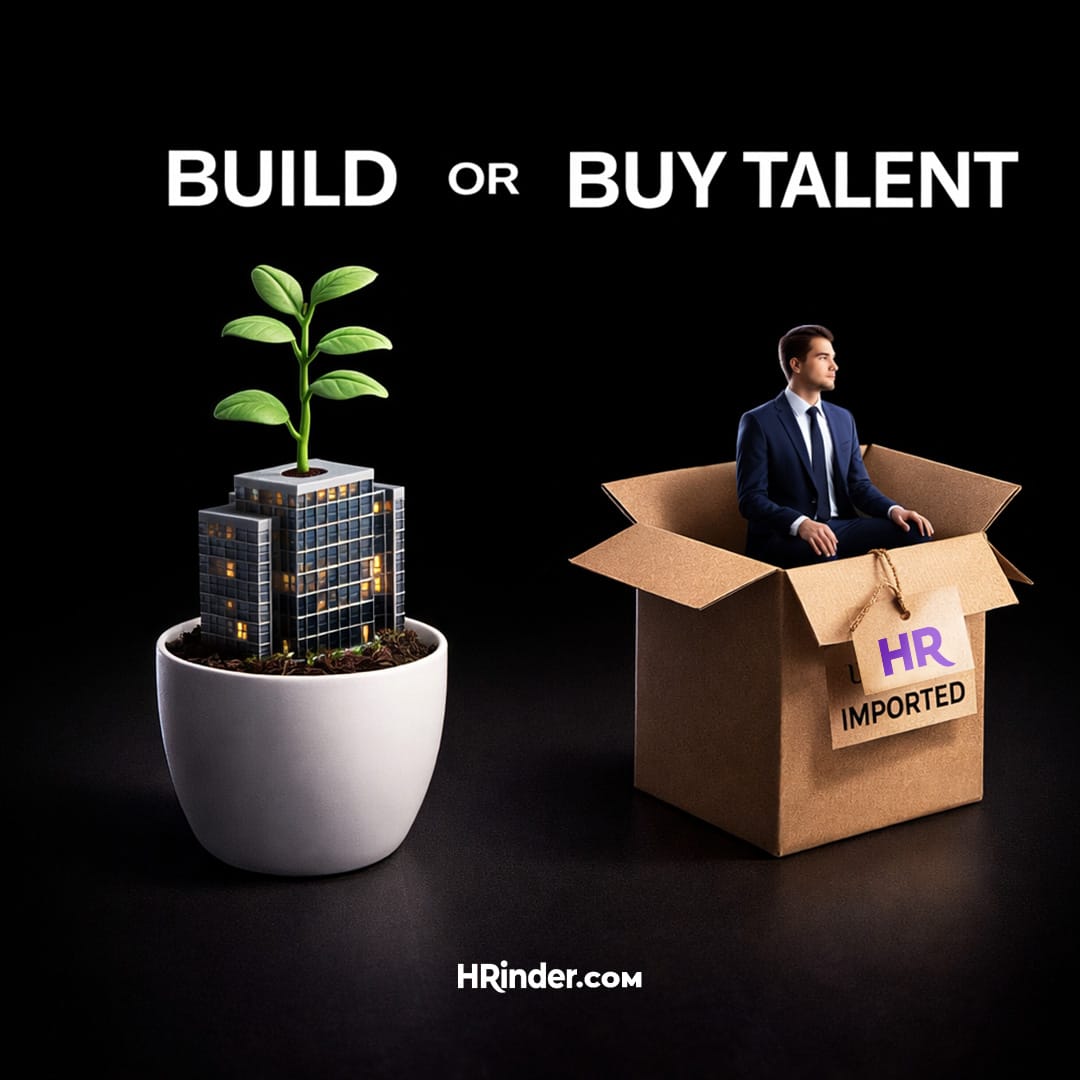
In the modern workplace a job opening is more than just a vacancy - it’s a strategic crossroads. Every time a seat empties leadership faces a classic dilemma: Do we reward a loyal insider, or do we inject "new blood" into the system?
Both paths offer a distinct set of rewards and risks. To help you navigate your next big hire let’s break down the two philosophies.
The Case for Looking Within: The Power of Internal Mobility
Internal mobility is the ultimate engine for employee engagement. When an organization prioritizes "growing their own", they aren't just filling a role they are building a culture of opportunity.
1. Reduced "Ramp-Up" Time
An internal hire already understands the company’s mission, its tech stack and - most importantly - its politics. While an external hire might spend their first 90 days just learning names and login credentials, an internal candidate is often productive by day two.
2. Significant Cost Savings
External recruiting is expensive. Between headhunter fees (often 20-30% of the first-year salary), job board subscriptions and extensive background checks the costs add up. Internal moves bypass most of these expenses allowing you to reinvest that budget into training and development.
3. Boosting Retention and Morale
Nothing kills morale faster than a "ceiling". When employees see their peers moving up, they see a future for themselves. Data consistently shows that companies with high internal mobility rates have significantly lower turnover.
The Case for Fresh Perspectives: Why External Hiring Matters
If internal hiring is so efficient, why do companies ever look outside? Because a closed loop eventually leads to stagnation. Sometimes the "best" person for the job is someone who hasn't been influenced by your current way of doing things.
1. The Innovation Catalyst
Internal teams can develop "tunnel vision". They become so accustomed to existing processes that they stop questioning them. An external hire brings "the outside-in" perspective often identifying inefficiencies that the internal team has become blind to over time.
2. Closing the Skill Gap
Industries evolve faster than training programs can keep up. If your company is pivoting - perhaps moving from traditional retail into e-commerce - you may not have the luxury of time to train an internal candidate. Hiring someone who has "been there, done that" at a competitor allows for immediate expertise.
3. Expanding the Culture, Not Just "Fitting" It
There is a danger in "Culture Fit" - it can lead to a lack of diversity. External hiring allows you to prioritize "Culture Add". By bringing in people from different backgrounds and industries you enrich your team’s collective intelligence.
How to Choose: The Decision Framework
Since we can't use a table to compare them consider these three questions before you post that job listing:
- Is the role a "Steady State" or "Transformation" role? If you need to keep things running smoothly, look internal. If you need to change the direction of the department, look external.
- What is the urgency? If the ship is sinking and you need a specialized expert today, an external hire with the right pedigree is your best bet.
- What is the "Bench Strength"? Do you have a "High Potential" employee who is 80% ready? If so, the 20% "readiness gap" is usually worth the risk to keep a top performer from leaving.
Final Thought
The most successful organizations treat talent like a garden. You have to nurture the plants you already have (Internal Mobility), but you also have to bring in new seeds periodically to keep the ecosystem vibrant (External Hiring).
What’s your current split? If you haven't promoted anyone in the last year, it might be time to look at your internal development. If you haven't hired a fresh face in two years, you might be due for a perspective shift.