
💻 Maximizing Impact: Finding Work-Life Balance in a High-Demand Tech Career

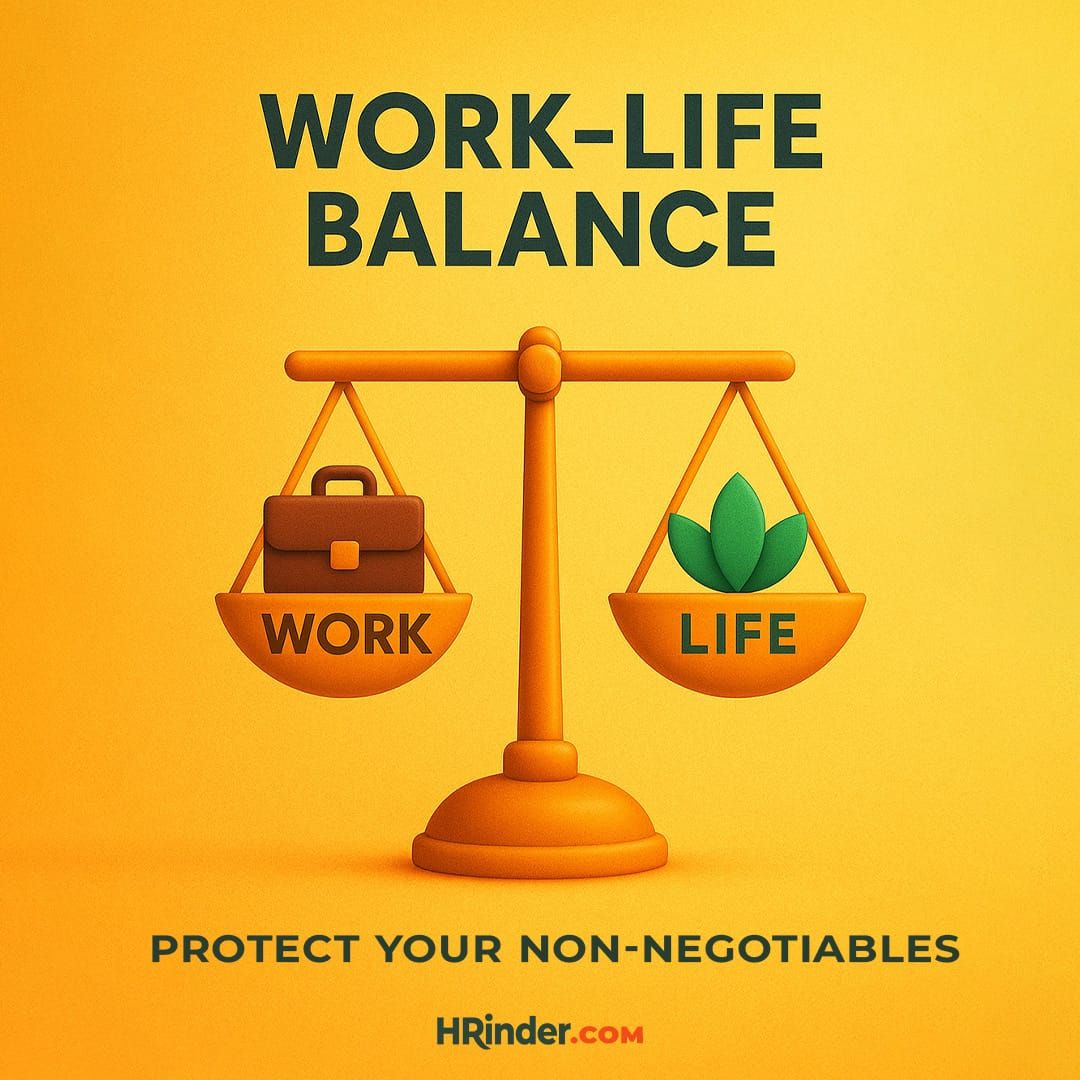
In the tech world, the pace is relentless, the deadlines are tight, and the "always-on" culture is often mistaken for dedication. If you're running a demanding career in IT - whether you're a developer, engineer, or project lead - you know this intensity firsthand. However, true sustainability in tech requires a conscious effort to balance your code base with your quality of life.
Work-life balance isn't a vacation; it's an optimization strategy for human performance.
1. Optimize Your Deep Work & Disconnection Cycles ⚙️
Your productivity peaks when you engage in deep work - focused, uninterrupted concentration on a high-value task. To make this possible, you need equally intentional periods of rest.
- Implement Time-Blocking: Dedicate specific, non-negotiable blocks of time for critical tasks. Use timers or dedicated apps to enforce focus periods followed by short breaks.
- Schedule a Hard Disconnect: Just as you set up automated build/deployment pipelines, set up your own "Shutdown Protocol". At the end of the day, do a 15-minute mental review:
- Save all code/documents.
- Write down 3 priorities for tomorrow.
- Log off communication channels (Slack, Teams, Email).
- Once the protocol is complete, the workday is over.
2. Leverage Asynchronous Communication Protocols 📧
One of the biggest time sinks in tech is the constant pinging of synchronous communication tools (Slack, Teams). This shatters focus and extends the workday unnecessarily.
- Default to Asynchronous (Async): Reserve instant messaging for true emergencies or quick check-ins. For status updates or non-urgent matters, encourage the use of email or project management comments. This allows the recipient to respond when they have a break in their flow.
- Batch Your Responses: Instead of reacting to every notification immediately, check and respond to emails/messages in pre-defined slots. This treats communication as a scheduled task, not a constant interruption.
3. Apply Agile Principles to Your Personal Life 🏃
Agile methodologies teach us to plan in sprints, review, and adapt. Apply this concept to your personal schedule for better management.
- Personal Sprints: Think of your week as a personal sprint.
- The Retrospective: At the end of the week, do a quick "Personal Retro". This self-analysis helps you continually refine your boundaries and time allocation.
Remember, the quality of your code and your decisions are directly tied to the quality of your rest. Building a sustainable career means prioritizing the health of the most critical system in your stack: you.
What system are you going to shut down this evening to make room for life? Share your strategy! 👇