
The Ethical Imperative: Redefining Fairness in Modern Hiring

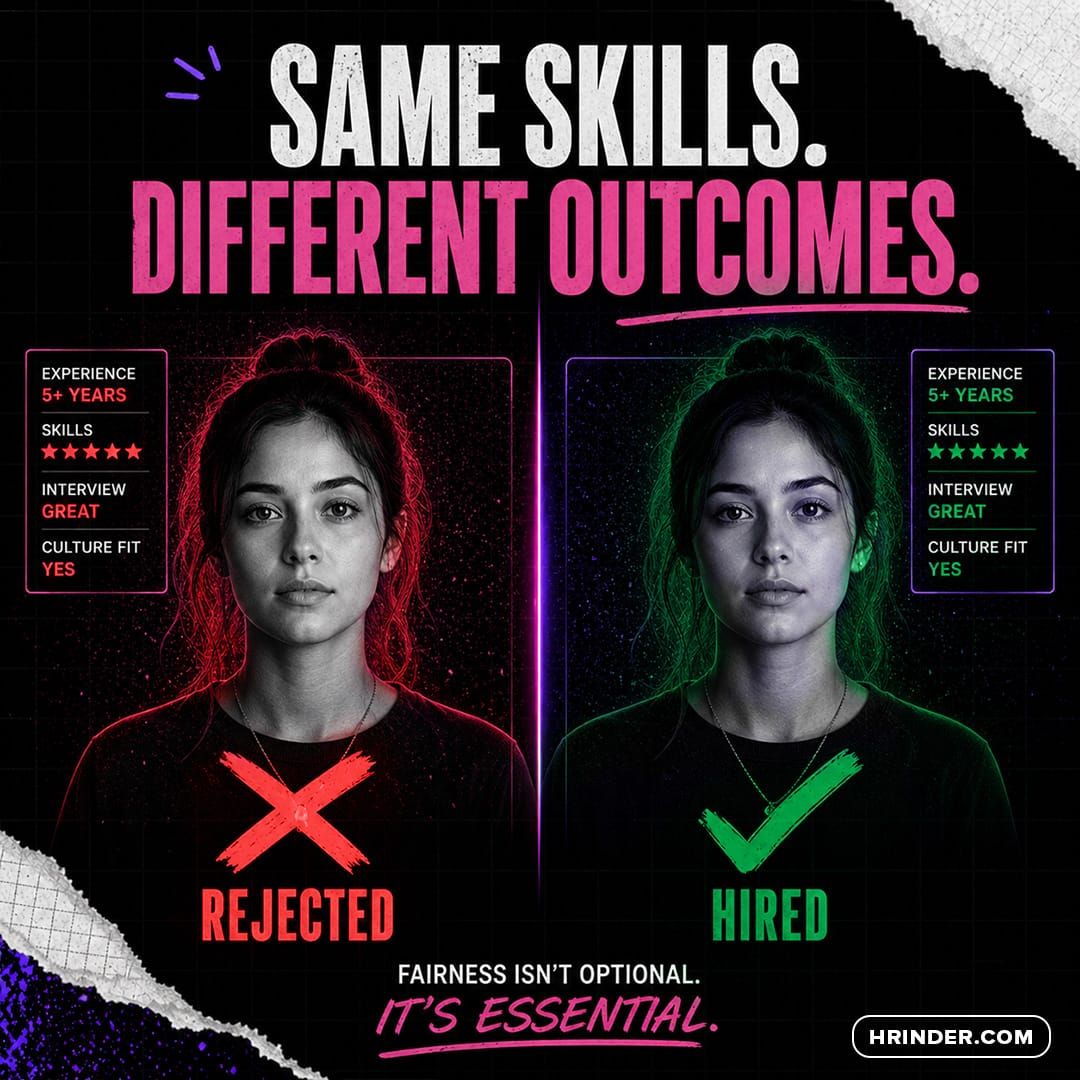
In the modern corporate landscape, the "war for talent" has shifted. It’s no longer just about who offers the highest salary or the trendiest office perks, it’s about who the candidate can trust.
As we navigate 2026, Ethical Hiring has moved from a niche HR concept to a core business strategy. Candidates are more informed, more vocal, and more selective than ever. They aren't just looking for a job; they are looking for evidence of integrity.
If your hiring process feels like a "black box", you aren't just losing candidates - you’re losing credibility.
Why "Gut Feeling" is the Enemy of Equity
For decades, hiring managers relied on "cultural fit" or "gut instinct". In reality, these are often just polite terms for unconscious bias. We naturally gravitate toward people who share our backgrounds, hobbies, or communication styles.
Ethical hiring replaces instinct with data and structure. By using standardized rubrics and blind resume screenings, organizations ensure that a candidate’s ability to perform the job is the only variable that matters.
The Pillars of a Transparent Process
To build a truly ethical pipeline organizations must commit to three fundamental shifts:
- Salary Transparency from Day Zero: Withholding salary ranges until the final interview is a power play that disproportionately affects marginalized groups. Ethical organizations post clear, non-negotiable ranges upfront to ensure pay equity from the start.
- The "Anti-Ghosting" Policy: The "black hole" of applications is the leading cause of candidate frustration. A transparent process provides clear timelines and ensures every applicant receives a closing communication.
- Accessibility by Design: From screen-reader-compatible application portals to offering flexible interview formats, ethical hiring recognizes that talent comes in many forms and physical abilities.
The Long-Term ROI
The benefits of ethical hiring extend far beyond social responsibility. Companies that prioritize fairness see:
- Lower Turnover: Employees hired through a transparent process have clearer expectations and higher initial engagement.
- Higher Innovation: A fair process naturally leads to a more diverse workforce, bringing a wider range of problem-solving perspectives.
- Brand Advocacy: Unsuccessful candidates who felt treated fairly are still likely to recommend your products or services to others.
Moving Forward
Ethical hiring isn't a project with a completion date, it’s a continuous commitment to examining our biases and refining our systems. When we prioritize transparency, we don’t just fill roles - we build a foundation of trust that sustains the entire organization.
Final Thought: Integrity isn't what you do when the world is watching, it's how you treat the person who has the least power in the room - your job applicant.
What is the biggest hurdle your organization faces in making the hiring process more transparent? Let's explore how to bridge that gap together.